
Rethinking HR in light of managerialism and the needs of the workforce
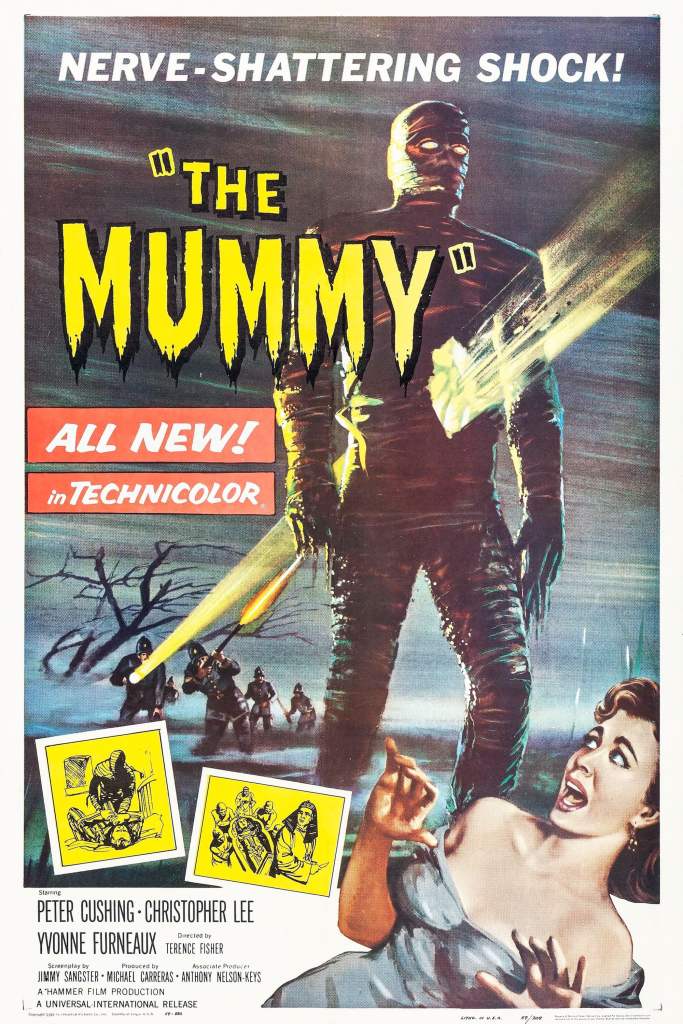
My 10 year old son and I briefly watched a bit of the 1959 Hammer Horror production of The Mummy.
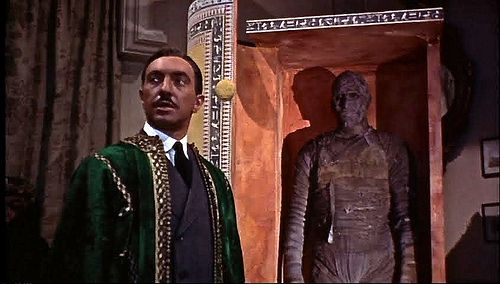
In the film, a character called Mehemet Bey, a devoted follower of Kharis, the mummified yet animated high priest of Karnak, is seen to be actively supporting and directing the monster.
Unsurprisingly, my son was intrigued to know why Bey was helping the mummy, when patently the creature was homicidal and bent on a terrible revenge that stretched across the centuries.
I explained that Bey was a dedicated follower of the mummified priest, so was happy to support him in his ghastly endeavours. Additionally, there is something herein about enjoying a proximity to power, which in turn leaves the helper feeling powerful
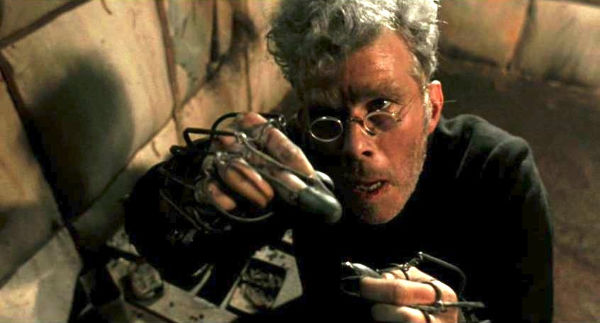
I spoke to him about the character of Renfield, a devoted human follower of Count Dracula, and suggested that both these monsters had people to assist them in the world, who no doubt anticipated some preternatural reward for their obedience.
Again, in the case of the fascinating character of Renfield, he is patently overwhelmed and in awe of the vampire that he lives to serve. Moreover, he is consumed by the idea that if he eats living creatures, he will achieve immortality, so Dracula – who has control over animals – agrees to provide him with an endless supply of insects and such like, in exchange for Renfield doing the vampire’s bidding.
At the back end of our short exchange, as my son and I turned our attentions back to Christopher Lee wrapped in rotting bandages and chasing down his victims, it leapt out at me that, in far too many instances these days, HR acts as Renfield to the oppressive managerialism of capitalist organisations.
Time for all of us who work in the field of HR to commit to being less Renfield and embracing the idea of being more Van Helsing! We should be working to find ways to hold the monster in check as opposed to letting it rampage through the workplace.
 Radical OD